
The service life of sandwich panels is primarily determined by the facing material, facing coating, core material type, operating environment, and subsequent maintenance; lifespan varies significantly depending on the materials used and the application scenario.
The facing material is a key factor determining service life: in standard inland environments, panels featuring an Al-Zn (aluminum-zinc) alloy substrate (AZ100/AZ150) with a PE (polyester) coating typically last 12–15 years, whereas those with a PVDF (fluorocarbon) coating offer superior weather resistance, extending the lifespan to 20–25 years. In highly corrosive environments—such as coastal areas with salt spray or chemical industrial parks—standard Al-Zn panels are prone to rusting; in these cases, 304 stainless steel substrates with PVDF coatings are recommended, offering a service life of over 25 years with proper maintenance.
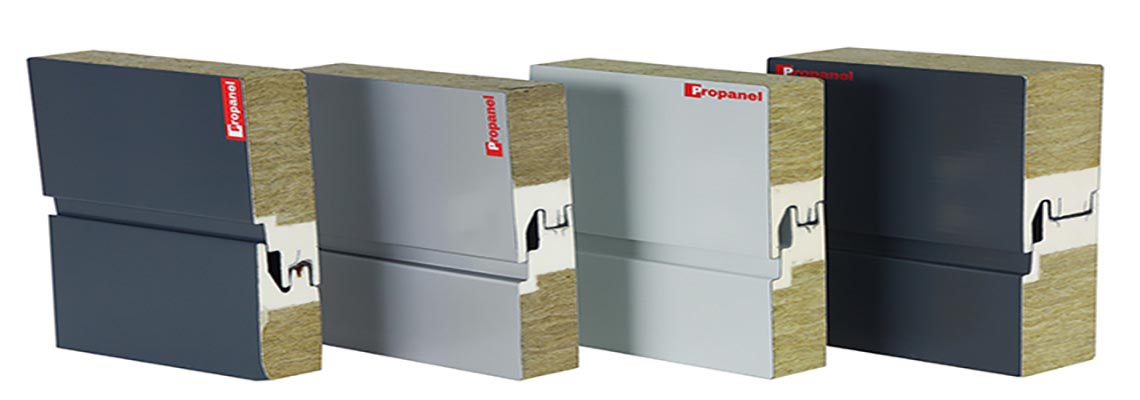
Performance also varies based on the core material: PIR and rock wool sandwich panels offer structural stability; closed-cell PIR sandwich panels provide excellent moisture and aging resistance, maintaining their shape over long-term use. Conversely, EPS sandwich panels are prone to shrinkage and degradation in high-temperature or humid environments, which can shorten their service life.
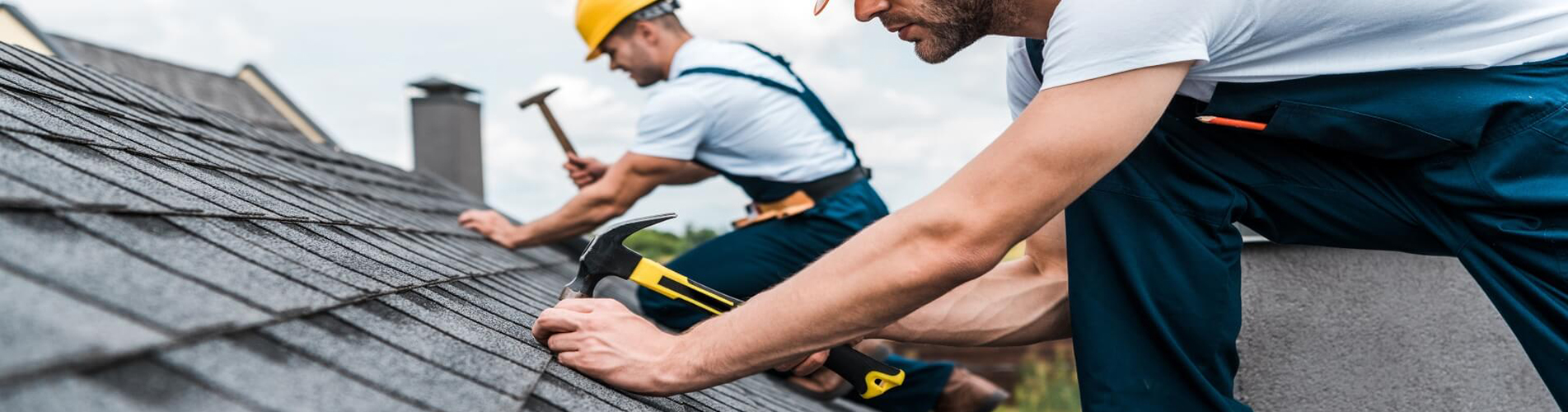
Additionally, proper installation and regular maintenance can effectively extend the lifespan of sandwich panels. Avoiding impact, promptly repairing coating damage, and ensuring effective joint sealing help minimize rust and core material damage. With appropriate material selection and maintenance, high-quality sandwich panels can achieve a service life of over 30 years in certain applications.

حقوق النشر
@ 2026 CHENGDU PROPANEL TECH CO., LTD. جميع الحقوق محفوظة
.  دعم الشبكة
خريطة الموقع / المدونة / XML / سياسة الخصوصية
Hi! Click one of our members below to chat on