
Modular sandwich panels are composed of color steel and a core material. Their dimensions can be professionally customized according to engineering drawings. After receiving the panels, builders can directly assemble them on-site, maximizing construction time and saving labor costs, making them a top choice for construction contractors. Specific analysis is as follows:
1. Significantly shortened construction cycle. Modular sandwich panels are cut to size according to requirements and manufactured, eliminating the need for traditional plastering, masonry, and layered insulation construction. Walls, roofs, and ceilings are assembled as a single unit, and after assembly, they are directly sealed with adhesive, effectively shortening the overall construction period and helping contractors deliver projects ahead of schedule. This reduces equipment rental and labor costs, mitigating the risk of project delays. Especially in clean rooms of automotive and electronics factories, electromechanical and dust-free equipment installation can be carried out simultaneously, resulting in higher efficiency for cross-construction.
2. Controllable overall cost and reduced construction costs. Modular integrated sandwich panels combine insulation, fireproofing, enclosure, and dust-proofing functions. This eliminates the need for separate insulation layers, waterproofing layers, and interior plastering, significantly reducing the use of auxiliary materials and labor. Furthermore, the standardized panel specifications reduce wastage to below 3%, significantly lower than traditional on-site construction. Lightweight sandwich panels also lower the load on beams, columns, and foundations, reducing the amount of reinforced concrete used in civil engineering, thus compressing costs from the outset and helping contractors control budgets and increase project profits.
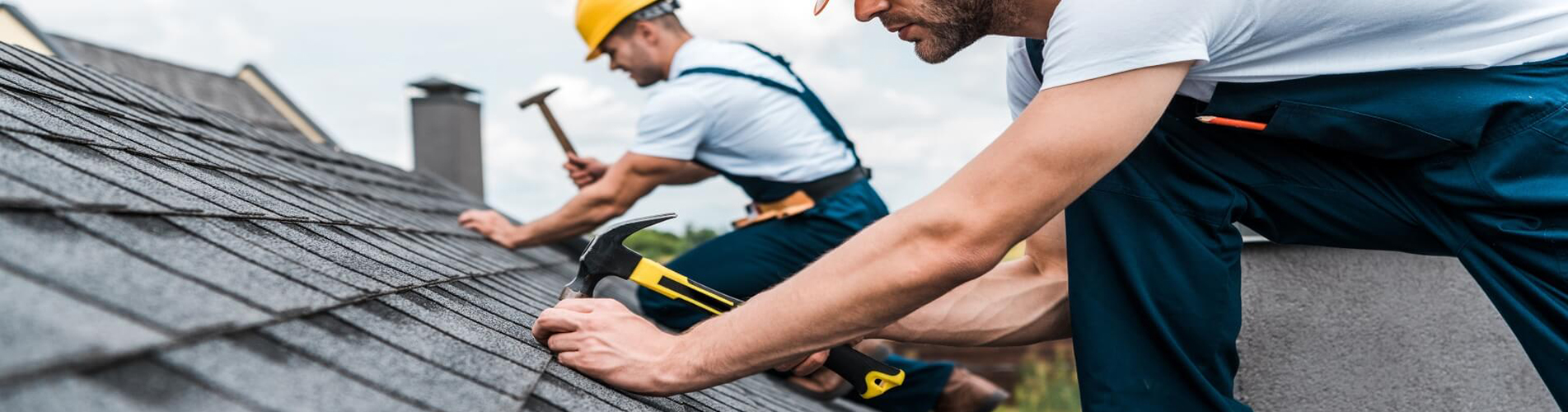
3. Simple construction and low labor requirements. Sandwich panels only require skilled installers for splicing and fixing, eliminating the need for multiple trades such as bricklayers and plasterers. In environments with labor shortages and rising labor costs, this facilitates personnel allocation and avoids construction delays caused by skilled worker shortages. Modular sandwich panels come with a full range of specialized accessories such as edge trims, corner pieces, and door and window finishes, allowing for direct on-site assembly.
4. Meets the specific needs of different factories with a high acceptance rate. Sandwich panels can use different insulation core materials, such as rock wool, PIR, and silica rock, meeting various requirements such as Class A fire resistance, B1 flame retardancy, and dust-free and anti-static properties. They are suitable for electronic clean rooms, automotive painting plants, and power battery factories. Furthermore, the sandwich panels come with factory testing reports, and all fire safety and final acceptance documentation is complete, significantly reducing the probability of rework and the associated costs.
5. Significant advantages in post-construction modification and maintenance. Sandwich panels are disassembled and reused with minimal disassembly damage, making them suitable for later factory renovations, expansions, or workshop area adjustments. Automotive and electronics companies frequently update their production lines; modular wall panels offer flexible assembly and disassembly, facilitating modifications. Contractors find it easier to secure maintenance and renovation contracts. Moreover, sandwich panels are moisture-proof and resistant to mold, resulting in low long-term maintenance costs, high owner satisfaction, and positive reputation for contractors, leading to future project expansion.
6. Lightweight and efficient transportation and handling. The lightweight nature of sandwich panels allows for short-distance transport by trucks and forklifts, saving time and reducing logistics and hoisting costs.
In summary, modular sandwich panels offer multiple advantages, including shorter construction periods, reduced costs, simple and rapid construction, and high acceptance rates. They perfectly meet the core needs of construction contractors to reduce costs and increase profits, making them the preferred building material for industrial plants.

حقوق النشر
@ 2026 CHENGDU PROPANEL TECH CO., LTD. جميع الحقوق محفوظة
.  دعم الشبكة
خريطة الموقع / المدونة / XML / سياسة الخصوصية
Hi! Click one of our members below to chat on